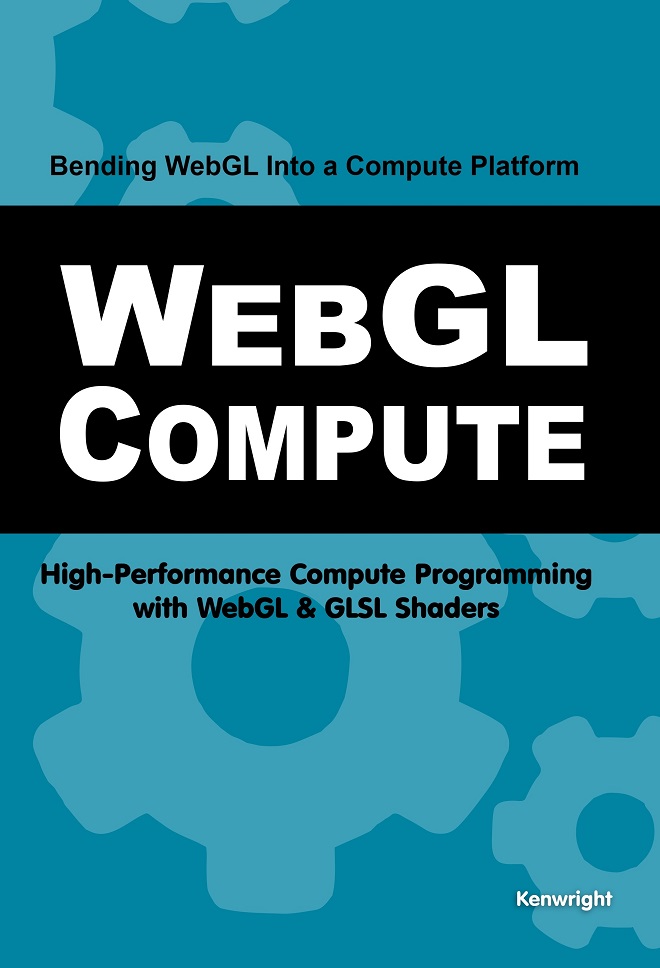
An illuminating journey into WebGL, "WebGL Compute (Paperback)" explores its profound influence on the intelligent systems. With clarity and enthusiasm, this essential read delivers fresh perspectives and actionable insights that inspire curiosity and spark meaningful progress.
Embark on a transformative journey through the world of WebGL with "WebGL Compute (Paperback)", a masterfully written guide that blends clarity with depth. The author's passion for the subject shines through every chapter, offering readers a refreshing mix of technical rigor and creative inspiration. Each page is infused with positivity and purpose, encouraging readers to think boldly and embrace new ideas with confidence. This book stands out for its uplifting tone and empowering approach to GPU Computing, making even the most complex topics feel approachable and exciting.
This book is more than a read—it’s a catalyst for growth. I feel energized and equipped to take action.
It’s rare to find a book that speaks to both intellect and emotion. This one does—with grace and impact.
The diagrams and visuals were top-notch—clear, purposeful, and genuinely helpful in understanding the concepts.
September 12, 2026
This book completely reshaped my understanding of WebGL. The author's innovative and hands-on approach makes learning feel effortless and exciting.
I loved the mix of academic depth and practical relevance. It’s a rare balance that this book achieves beautifully.
September 17, 2026Stay updated with the latest in tech literature
In 2021, a New York Times article titled "Monitoring the Weather at the Edge of the World" inspired a new picture book, written by Nelly Buchet and il...
Read MoreDeath shows up in every story. Characters die, and readers expect it (sometimes). But sometimes, death doesn’t just happen. It talks. It walks. It t...
Read MoreGo analog with these excellent new fall hobby books for 2026....
Read MoreEnhance your reading and learning experience
Write documentation as if the next person reading it is a violent psychopath who knows where you live.
Use the Feynman Technique: teach what you learn to someone else to identify knowledge gaps.
Rubber Duck Debugging: explain your code line by line to an inanimate object.
Use a pointer or your finger to guide your eyes. This can increase reading speed by 25%.
Create a dedicated reading space with good lighting and minimal distractions.
Take brief notes after each chapter. Summarizing helps cement knowledge.
Sarah Johnson
Professional ReviewerTotally agree. The pacing and structure made it easy to stay engaged and absorb the content without feeling overwhelmed.
September 14, 2026