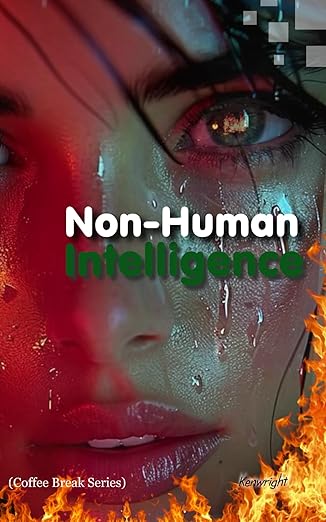
An visionary journey into compute, "Non-Human Intelligence (Coffee Book Series)" explores its profound influence on the technological evolution. With clarity and enthusiasm, this essential read delivers fresh perspectives and actionable insights that inspire curiosity and spark meaningful progress.
Whether you're a curious newcomer or a seasoned professional, "Non-Human Intelligence (Coffee Book Series)" offers a vibrant and rewarding exploration of the field. Embark on a transformative journey through the world of compute with "Non-Human Intelligence (Coffee Book Series)", a masterfully written guide that blends clarity with depth. Readers will find themselves motivated by the book’s clear explanations, thoughtful examples, and forward-thinking perspective. The author's passion for the subject shines through every chapter, offering readers a refreshing mix of technical rigor and creative inspiration.
I highlighted nearly every page—this book is packed with insights that deserve to be revisited and shared.
I had the same experience. The practical exercises really helped solidify the concepts and made the learning process feel hands-on.
March 5, 2026
Complex ideas are distilled into clear, engaging explanations. It’s a rare gem that welcomes beginners while still challenging seasoned experts.
I loved how the author used personal stories to illustrate key points. It added depth and authenticity to the material.
March 11, 2026
I’ve already gifted copies to colleagues and friends—it’s that transformative and universally relevant.
I appreciated the way each chapter ended with reflection prompts—it encouraged me to apply what I learned right away.
March 12, 2026Stay updated with the latest in tech literature
Understanding one of the world's oldest civilizations can't be achieved through a single film or book. But recent works of literature, journalism, mus...
Read MoreEnhance your reading and learning experience
Rubber Duck Debugging: explain your code line by line to an inanimate object.
Create a dedicated reading space with good lighting and minimal distractions.
Organize books by color for visual appeal or by genre for practical access.
Use the Feynman Technique: teach what you learn to someone else to identify knowledge gaps.
Follow the 20-20-20 rule: every 20 minutes, look at something 20 feet away for 20 seconds.
Take brief notes after each chapter. Summarizing helps cement knowledge.
Sarah Johnson
Professional ReviewerI had the same experience. The practical exercises really helped solidify the concepts and made the learning process feel hands-on.
March 6, 2026